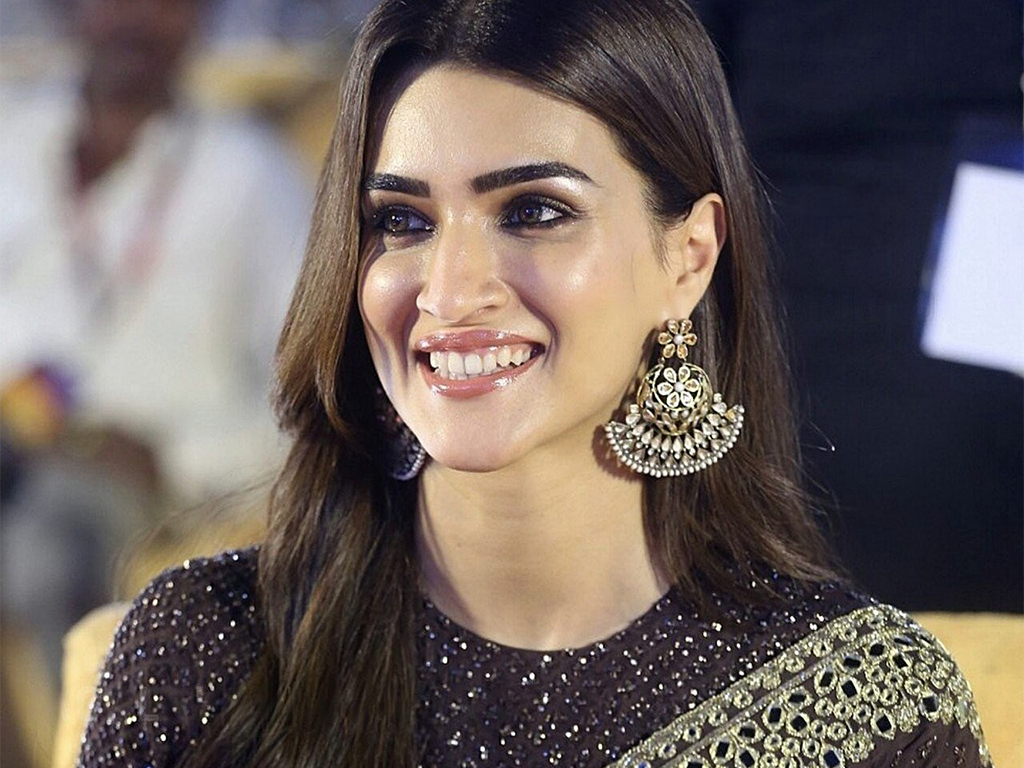
The recent controversy surrounding Kriti Sanon’s Raksha Bandhan campaign may have started as a debate over fashion, but one part of the actress’ response has sparked a much more interesting conversation about the festival itself.
Why can’t sisters tie rakhis to each other?
After criticism surrounding the campaign, Sanon shared a statement explaining what Raksha Bandhan means to her personally, including the fact that she and her sister, Nupur Sanon, celebrate the festival with each other.
“Rakshabandhan is a bond of protection,” Kriti wrote. “My sister and I tie rakhi to each other. We know we can protect each other no less than a brother would have.”
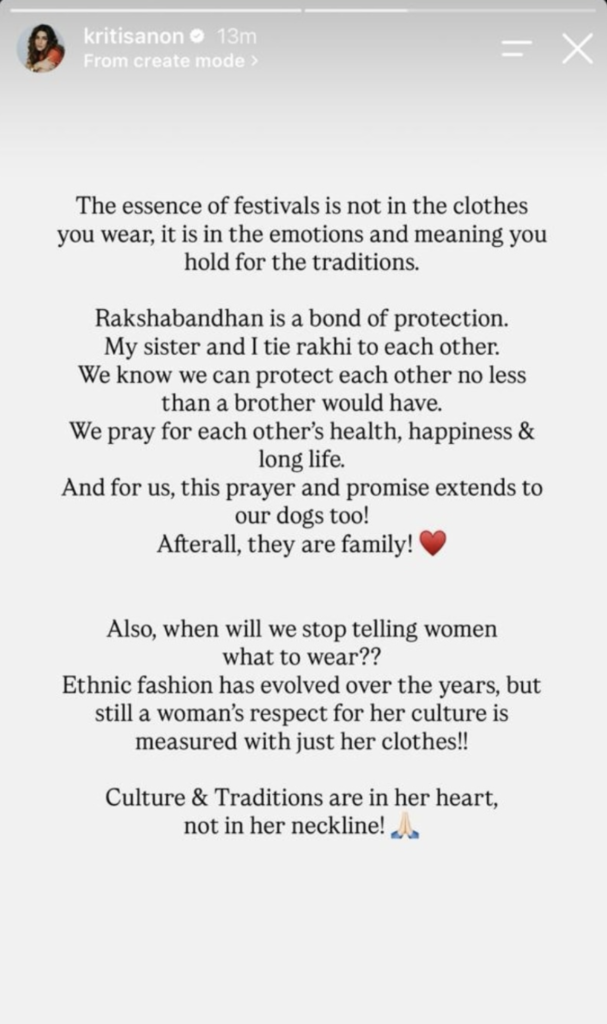
She added that they pray for each other’s “health, happiness & long life.”
It is a simple idea, but one that challenges the way Raksha Bandhan is traditionally celebrated in many families.
The name itself points to the meaning behind the festival: “raksha” means protection, while “bandhan” refers to a bond. Traditionally, that bond has largely been associated with brothers and sisters, with sisters tying a rakhi around their brothers’ wrists.
But Kriti’s comments raise the question of whether that tradition needs to be limited by gender.
Can Raksha Bandhan Be Between Two Sisters?
For sisters like Kriti and Nupur who do not have a brother, their answer appears to be yes.

Kriti’s explanation reframes the tradition around its underlying meaning rather than who is “supposed” to participate. If a rakhi symbolizes a promise of protection, care and support, sisters can arguably make that promise to one another, too.
It also reflects a more modern understanding of protection.
The traditional idea of a brother protecting his sister comes from a time when gender roles were very different. Today, sisters frequently protect, support and care for one another emotionally, physically and in countless other ways.
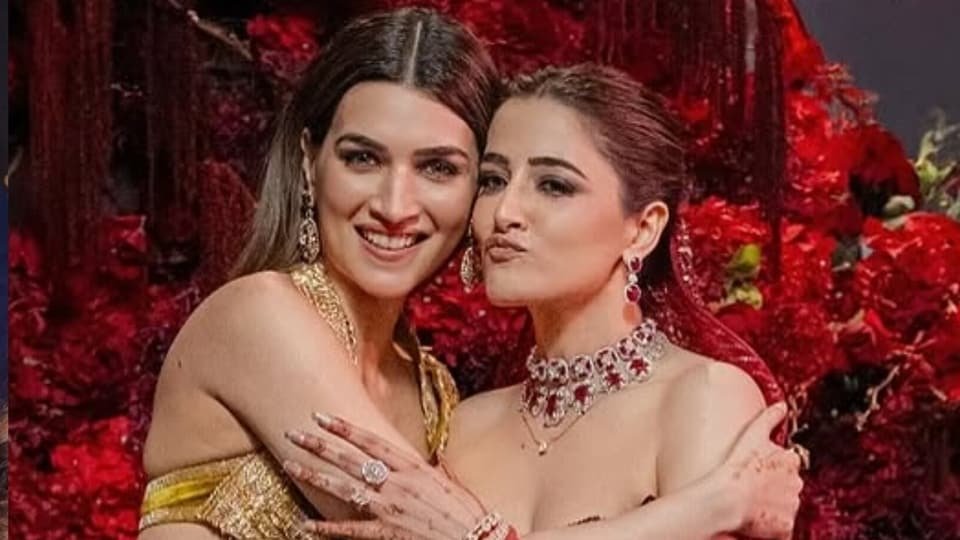
Kriti reinforced that idea in another post with Nupur, writing, “While the Rakhi fashion committee is still in session… We’re focusing on what really matters.”
The original controversy surrounding Kriti’s campaign generated plenty of debate over what women wear and how traditions should be celebrated. But perhaps one of the more meaningful conversations to emerge from it has little to do with clothing at all.
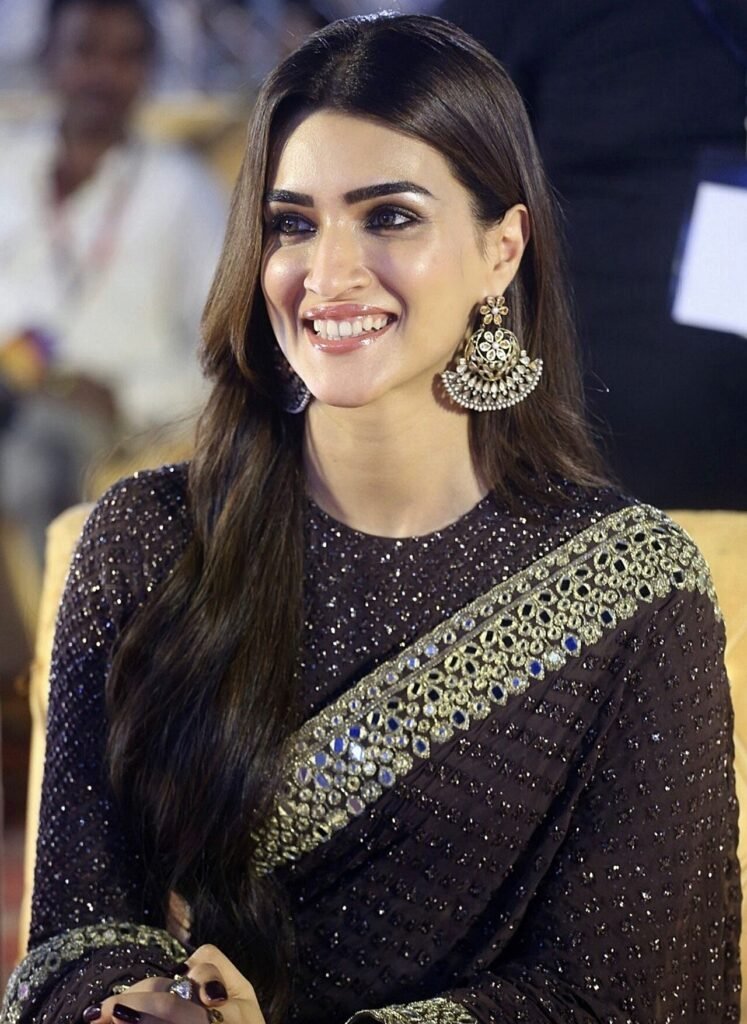
Instead, it asks us to think about what the tradition actually represents.
If Raksha Bandhan is ultimately about a bond of protection, perhaps that bond does not have to exist only between a brother and sister.
Maybe sisters can make that promise to each other, too.

To read more about the controversy that sparked this conversation, click HERE.